

When people hear the name Bernard Arnault, they think of Louis Vuitton handbags, Dior perfumes, or Moët champagne. He is known as the “King of Luxury,” the man behind the world’s largest luxury empire, LVMH.
But fewer see him for what he truly is: perhaps the greatest acquisition entrepreneur of modern times.
Arnault didn’t invent Louis Vuitton. He didn’t create Dior from scratch. What he did was even harder. He bought, integrated and compounded dozens of companies. He did this to make a global powerhouse. LVMH today is not a single brand, but a portfolio of more than 75 maisons, each with its own identity yet tied into a single ecosystem.
And that’s why we should pay attention. Because even though I’m not about to buy Dior, there are lessons here for all of us in the world of Entrepreneurship Through Acquisition (ETA). Whether you’re considering a self-funded buyout, building a HoldCo, or looking at a roll-up strategy in trades and services, Arnault’s playbook has something to teach us.
The Roll-Up of Luxury
In the 1980s, Arnault spotted an opportunity. The luxury industry was fragmented: famous names, strong identities, but weak balance sheets. His first big move was Christian Dior. Soon after, he manoeuvred into Moët Hennessy and Louis Vuitton, merging them into LVMH.
From there, the acquisitions kept coming: Givenchy, Fendi, Bulgari, Sephora, Tiffany & Co. Each purchase was not random. It fit a vision. Arnault respected brand heritage but leveraged LVMH’s capital, distribution, and global scale to unlock growth.
This is the roll-up strategy in action: buy fragmented players, keep their uniqueness, but add value through central systems and reach.

For ETA entrepreneurs, the industries are different. These include HVAC, roofing, truck repair and accounting firms. But the principle is the same. You’re not buying to destroy. You’re buying to protect what works and scale what’s possible.
Governance and Delegation
One of Arnault’s greatest skills is governance.
LVMH is not run as one giant company. Each maison has its own CEO. They’re given autonomy to preserve creativity and brand culture. But at the group level, Arnault and his board handle strategy, capital allocation, and governance.
This balance of decentralised operations and centralised oversight is exactly the challenge many ETA buyers face after acquiring their first company. You cannot do everything yourself. And if you try, you’ll burn out.
My own research for my MBA reinforced this lesson: delegation is not optional, it’s essential. In interviews, HoldCo founders repeatedly said their stability came from trusting CEOs and GMs with autonomy, while keeping clear reporting and alignment in place.
In other words: hire well, delegate wisely, govern tightly.
Patience and Long-Term Thinking
Private equity often operates on the “five-to-seven year flip.” Arnault never played that game.
Luxury is about heritage, not quick wins. He held brands for decades, investing in them for the long haul. The $16 billion acquisition of Tiffany & Co. in 2020 was not driven by quarterly earnings. It was about generational dominance.
This is why Arnault fits so closely with the HoldCo mindset. He understood that compounding takes time.
For ETA entrepreneurs, the lesson is simple: don’t rush for the exit. If you can afford to wait, build resilience and increase your investment’s value over several decades, you may find that your biggest returns come from owning rather than selling.
Family Ownership and Succession
Another overlooked part of Arnault’s strategy is succession. He has five children, all involved in the business in different ways. But he didn’t just hand them the keys. He built an ecosystem where professional CEOs run maisons, while his family integrates into governance and strategy.
For small business acquisitions, this lesson is striking: succession is not a one-off event, it’s a process.
As buyers, we often focus on taking over from the founder. But what happens 10, 20 years later? Who carries the vision forward? Whether it’s your children, a management team, or equity partners, thinking about succession from day one is part of sustainable ownership.
Lessons for ETA Entrepreneurs
Here are the key principles I think ETA buyers can borrow from Arnault’s playbook:
Buy with vision, not just numbers. Arnault bought Dior because of its cultural identity, not its balance sheet. For SMEs, that translates into customer loyalty, reputation, and culture.
Delegate to trusted operators. CEOs and GMs build lasting value. Your job as owner is governance and capital allocation.
Play the long game. Compounding beats flipping. If you can, hold and grow.
Balance autonomy with governance. Give space, but align through controls, reporting, and shared vision.
Plan succession early. Even small companies need to think about who leads in 20 years’ time.
These are not just lessons for billionaires. They’re relevant whether you’re buying a €5 million HVAC company in Germany or a plumbing business in the Netherlands.
📍 Community Highlight
The first Amsterdam ETA Meetup was overbooked. Thank you to everyone who signed up and showed such strong interest!
We originally planned for 20 participants, but ended up with 26 in the room, and every seat was taken. It turned into an amazing evening full of great energy, thoughtful conversations, and genuine curiosity about acquisition entrepreneurship.
I met a diverse range of people, from those new to the process to experienced acquirers who had already completed two or three deals. Everyone was eager to exchange ideas and build connections.
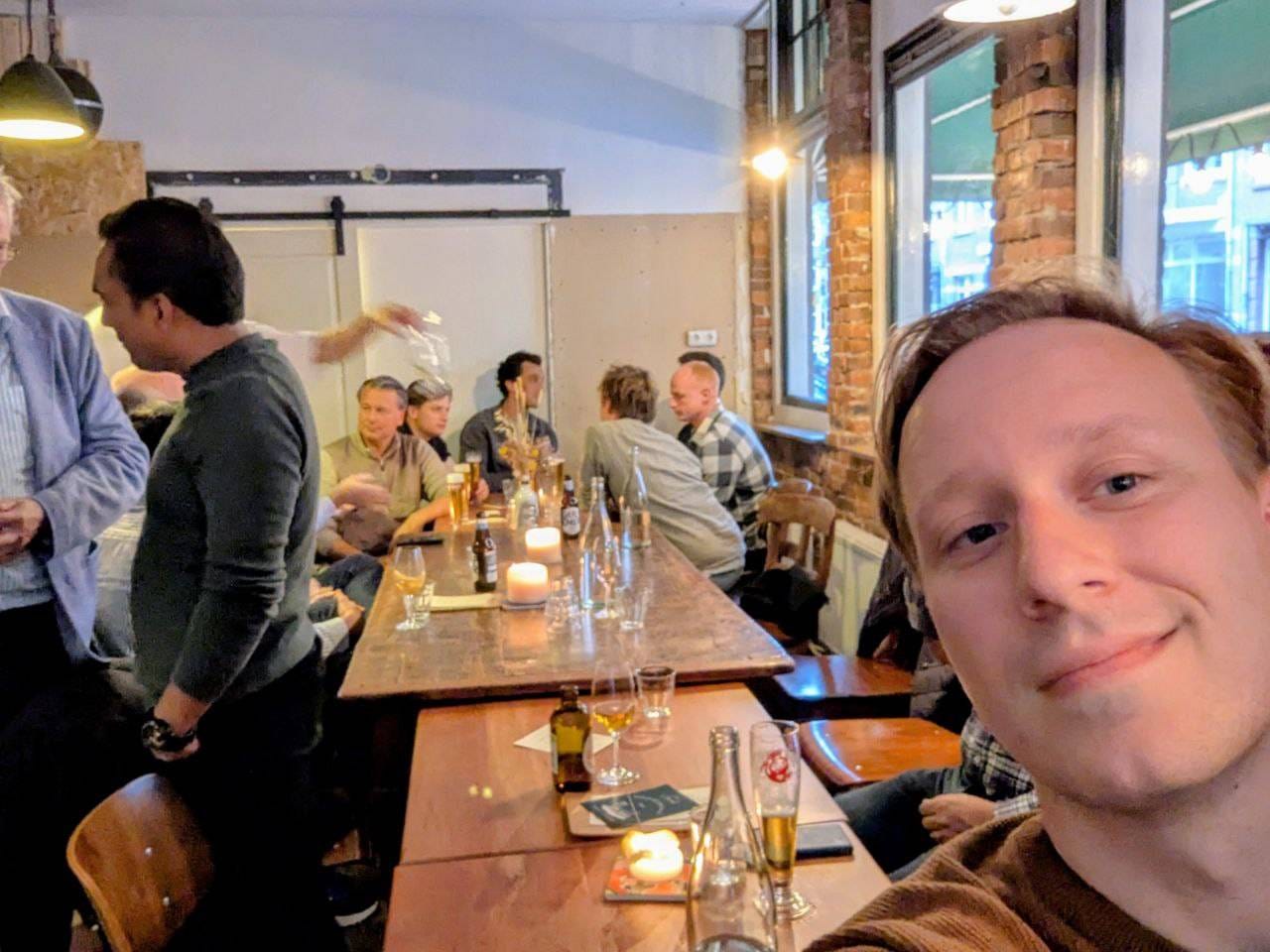
I’m already planning follow-up sessions with more space and new formats to keep this momentum going. This is just the beginning of something special for the ETA community here in Amsterdam.
👉 Want to join the next one? Sign up for updates here.
Closing Reflection
I’m not aiming to buy Dior. But I do believe that Arnault’s principles apply to all of us.
Whether you’re acquiring a trades business, a small services firm, or building a HoldCo, the same foundations apply: vision, governance, patience, and succession.
Arnault shows us that acquisition entrepreneurship is not about financial engineering alone. It’s about building something enduring.
Over to you: 👉 Which of Arnault’s principles do you think applies most to SMEs?
Hit reply. Share your thoughts. I am happy to read every single one.
Thank you for reading, and for being part of this journey.
Until next Monday,
Alexander